
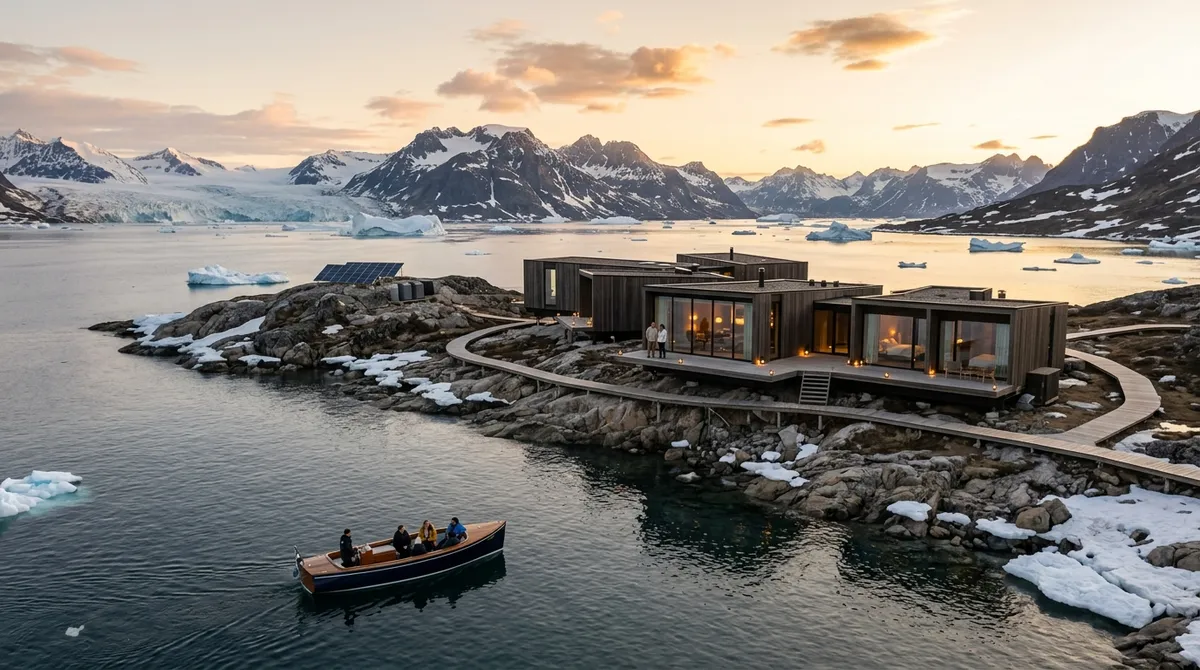
As the world evolves, discerning travelers are increasingly seeking unique experiences that combine luxury with responsible tourism. The trend towards visiting fragile destinations—places rich in culture and natural beauty but vulnerable to human impact—is gaining momentum. These experiences offer not only opulence but also a meaningful understanding of the delicate balance required to preserve these environments.
Luxury travel has always been about exclusivity and personalized experiences. Today, this means venturing into destinations that are not only stunning but also require careful attention to sustainability. Travelers are drawn to these places because they offer a chance to connect with untouched nature and cultures, providing a deeper sense of fulfillment and adventure.
Understanding Fragile Destinations
Fragile destinations are regions that boast unique ecosystems and rich cultural heritage but face threats from climate change, tourism, and other human activities. These areas can range from remote islands with delicate marine life to ancient cities that hold historical significance. The appeal lies in their rarity and the opportunity to witness places that few have experienced.
However, visiting these sites comes with a responsibility. Travelers and tour operators must ensure that their presence does not further endanger these environments. This requires careful planning and adherence to sustainable practices that minimize ecological footprints and respect local communities.
The Role of Luxury Travel Companies
Luxury travel companies are at the forefront of promoting responsible tourism in fragile destinations. They curate exclusive itineraries that prioritize eco-friendly practices and support conservation efforts. By working closely with local communities, these companies help preserve cultural heritage while providing guests with authentic experiences.
Moreover, these travel companies often contribute to environmental and cultural conservation projects. Whether it's funding wildlife protection initiatives or supporting local artisans, their involvement ensures that tourism benefits both the environment and the people who inhabit these regions.
Innovative Approaches to Sustainable Travel
The future of luxury travel in fragile destinations is marked by innovation. Eco-lodges and sustainable resorts are becoming more prevalent, offering guests luxury with minimal environmental impact. These accommodations often use renewable energy sources, implement waste reduction strategies, and source food locally to reduce their carbon footprint.
Furthermore, technology plays a crucial role in enhancing sustainable travel. Apps and platforms that provide real-time data on environmental impact allow travelers to make informed decisions about their journey. This empowers tourists to choose eco-friendly services and activities that align with their values.
Impact of Responsible Tourism
Responsible tourism in fragile destinations can have positive long-term effects. By prioritizing sustainability, travelers help protect biodiversity and cultural sites for future generations. This approach also promotes economic growth in local communities, providing jobs and supporting small businesses.
Education is another critical element. As travelers learn about the environmental and cultural significance of these destinations, they become advocates for conservation. This awareness fosters a global community committed to preserving the planet's most precious resources.
Challenges and Opportunities
While the trend towards sustainable luxury travel is promising, it comes with challenges. Balancing luxury with sustainability can be complex, as high-end services often require resources that may strain local environments. Travel companies must continuously innovate to find ways to offer opulent experiences without compromising sustainability.
On the other hand, this challenge presents an opportunity for the industry to lead by example. By setting high standards for responsible tourism, luxury travel can influence broader practices and inspire other sectors to adopt sustainable methods.
Conclusion
The allure of fragile destinations lies not only in their beauty but also in the opportunity to contribute to their preservation. As luxury travelers seek more meaningful experiences, the focus on sustainable tourism will continue to grow. By adopting responsible practices, the travel industry can ensure that these unique places are enjoyed by generations to come while maintaining their ecological and cultural integrity.