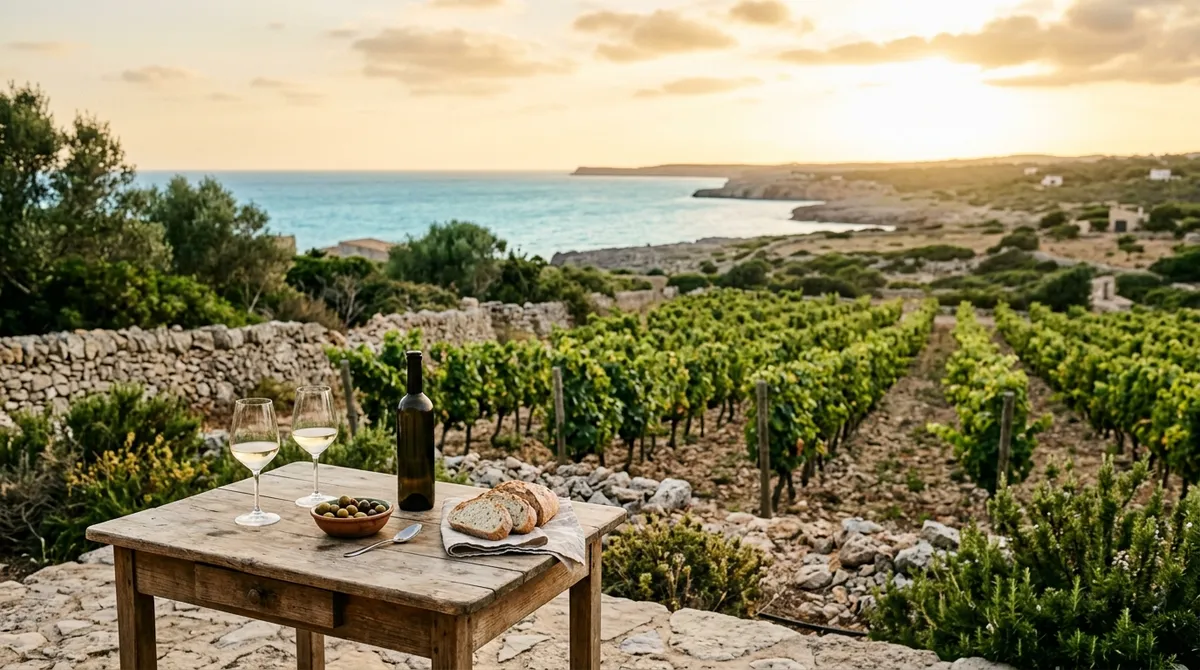
A Hidden Gem in the Mediterranean
While travelers flock to the crowded vineyards of Provence and Tuscany, a quieter wine revolution is taking place on the rugged island of Menorca. According to reports, this Balearic island is emerging as a boutique wine destination that offers something increasingly rare in the Mediterranean: authenticity without the crowds.
Menorca's wine scene represents a compelling alternative for travelers seeking genuine experiences over mass tourism. The island's deliberate positioning as a boutique, sustainable wine destination comes at a time when wine tourism and agritourism are experiencing significant growth in the post-pandemic travel landscape.
Ancient Roots, Modern Revival
The island's winemaking story stretches back through centuries of Mediterranean trade routes, according to the source material. However, like many European wine regions, Menorca faced devastation when phylloxera struck, decimating local vineyards and effectively ending wine production for decades.
What makes Menorca's modern wine revival particularly compelling is how historical isolation inadvertently preserved the landscape. Reports indicate that during the Franco era, the island experienced a form of "accidental preservation" through political punishment, leaving much of its terrain unspoiled and ready for sustainable agricultural development.
Boutique Focus in a Protected Landscape
Today's Menorcan wine producers are committed to small-scale, quality-focused production within the island's protected Biosphere Reserve status. This designation ensures that winery development maintains environmental standards while preserving the wild, rugged character that defines the island's appeal.
The boutique approach means visitors can expect intimate producer experiences rather than industrial-scale wine tourism. According to reports, these smaller operations often incorporate farm-to-table pairings and direct interaction with winemakers, offering the kind of authentic connections that larger wine regions struggle to provide.
Sustainable Tourism Model
Menorca's wine scene reflects broader trends in sustainable and organic production methods. The island's Biosphere Reserve status supports this approach, ensuring that wine tourism development doesn't compromise the natural landscape that makes the destination special.
This commitment to sustainability appeals to modern travelers who increasingly seek destinations that balance tourism with environmental responsibility. The small-scale nature of Menorcan wineries naturally limits visitor numbers, creating a more exclusive and environmentally conscious tourism model.
Why Menorca Over Traditional Wine Destinations
For travelers frustrated with overcrowded wine regions, Menorca offers several distinct advantages. The island provides an opportunity to discover quality wines before they gain widespread recognition, combined with the appeal of supporting small, local producers.
The integration of wine experiences within a broader island destination also sets Menorca apart. Visitors can combine vineyard tours with beach access, hiking in protected landscapes, and exploration of the island's unique cultural heritage—creating a more diverse travel experience than traditional wine-focused destinations.
Timing and Opportunity
The emergence of Menorca's wine scene aligns perfectly with current travel trends. According to reports, travelers are increasingly seeking lesser-known destinations that offer authentic experiences away from tourist saturation. The combination of quality wine production, sustainable practices, and stunning natural landscapes positions Menorca as an ideal destination for this market.
The boutique nature of the island's wine industry also means that the current window represents an opportunity to experience something truly special before wider discovery potentially changes the character of the destination.
The Future of Island Wine Tourism
Menorca's approach to wine tourism offers a model for how smaller destinations can develop sustainable wine industries without sacrificing authenticity or environmental integrity. The island's success in recovering from historical devastation to create a modern, organic-focused wine scene demonstrates the potential for thoughtful agricultural tourism development.
For wine enthusiasts and travelers seeking the next undiscovered Mediterranean destination, Menorca's boutique wine scene represents an compelling alternative to more established—and crowded—wine regions. The combination of intimate producer experiences, protected natural landscapes, and genuine local character creates exactly the kind of authentic travel experience that modern travelers increasingly value.